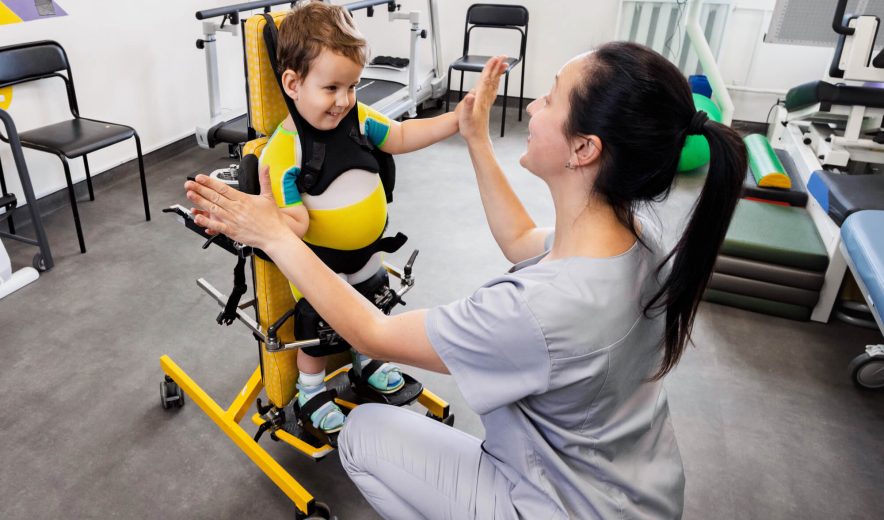
Cerebral palsy affects every child differently. One child may walk independently but find balance difficult. Another may use a walker or wheelchair. Some children experience increased muscle stiffness, while others have challenges involving coordination or changing muscle tone. That variability is why pediatric physiotherapy for cerebral palsy should never be built around a one-size-fits-all program. […]
Read More
Children fall. Toddlers tumble while learning to walk. Preschoolers run faster than their balance can keep up with. School-aged children occasionally trip while playing. Falls are a normal part of learning to move. But what happens when one child seems to fall significantly more often than everyone else? Start With Context Before assuming a problem […]
Read More
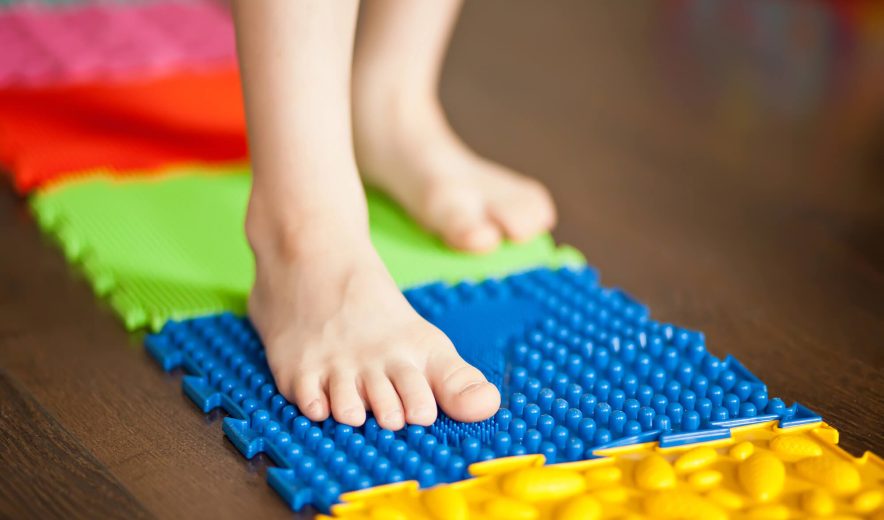
Parents often notice flat feet when their child begins standing or walking. Viewed from behind, the ankles may appear to roll inward. From the side, the arch may seem almost nonexistent. That appearance can be alarming—especially when an adult family member has foot problems of their own. But a flat-looking foot does not automatically mean […]
Read More
Few questions create more comparison among new parents than: “Is your baby crawling yet?” Before long, every family seems to know a baby who walked incredibly early—and suddenly parents whose child is still happily moving along the floor begin wondering whether they should be worried. Development, however, is more complicated than hitting three milestones on […]
Read More
Place a baby on their tummy and one of two things often happens. Some babies happily lift their heads and look around. Others immediately make it clear that they have absolutely no interest in participating. If your baby falls into the second group, you’re far from alone. Tummy time can be challenging at first, but […]
Read More
Watching a child reach a new milestone is exciting. The first time they roll. The first time they sit independently. The first time they pull themselves up and eventually take a few shaky steps across the room. It can also be stressful when those milestones don’t appear when parents expect them to. Before assuming something […]
Read More
Seeing a toddler walking around on their toes can be surprisingly cute. It can also leave parents wondering whether something is wrong. Toe walking means walking primarily on the balls of the feet without consistently placing the heels on the floor. It can appear while children are learning to walk and may disappear as their […]
Read More
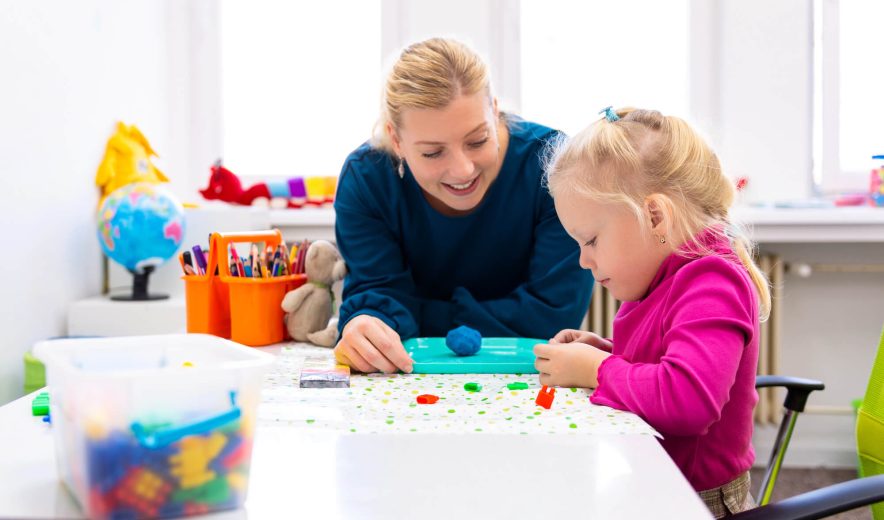
Physiotherapy and occupational therapy frequently work side by side in pediatric care. That can make it difficult for parents to know where to start. Does your child need physiotherapy because they struggle with coordination? Occupational therapy because they struggle at school? What happens when the same child has difficulty with both? The easiest way to […]
Read More
Getting dressed. Holding a pencil. Using utensils. Playing with friends. Managing a busy classroom. Tying shoelaces. Adults often take these everyday activities for granted, but for children they involve a surprisingly complex combination of movement, coordination, attention, sensory processing, planning, and learning. When these activities are consistently difficult, occupational therapy may help. What Is Pediatric […]
Read More
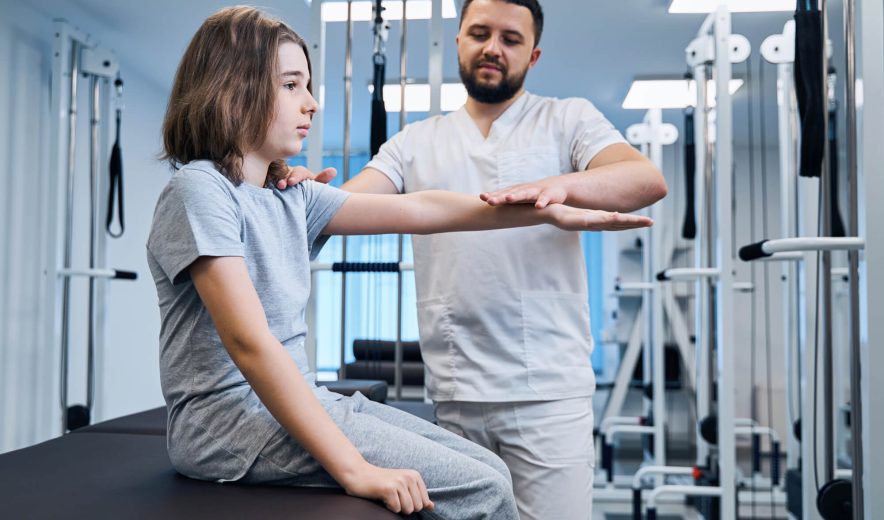
Every child develops differently. Some children walk early, some take their time, and others find creative ways to move before they ever take their first independent steps. Because there is such a wide range of normal development, parents are often left wondering: When is it worth speaking with a pediatric physiotherapist? You do not necessarily […]
Read More